A Bright Room Called Day
By Tony Kushner, adapted by Lauren Whitehead and Scott Ebersold Columbia Stages · Connelly Theater · April 16–19, 2014
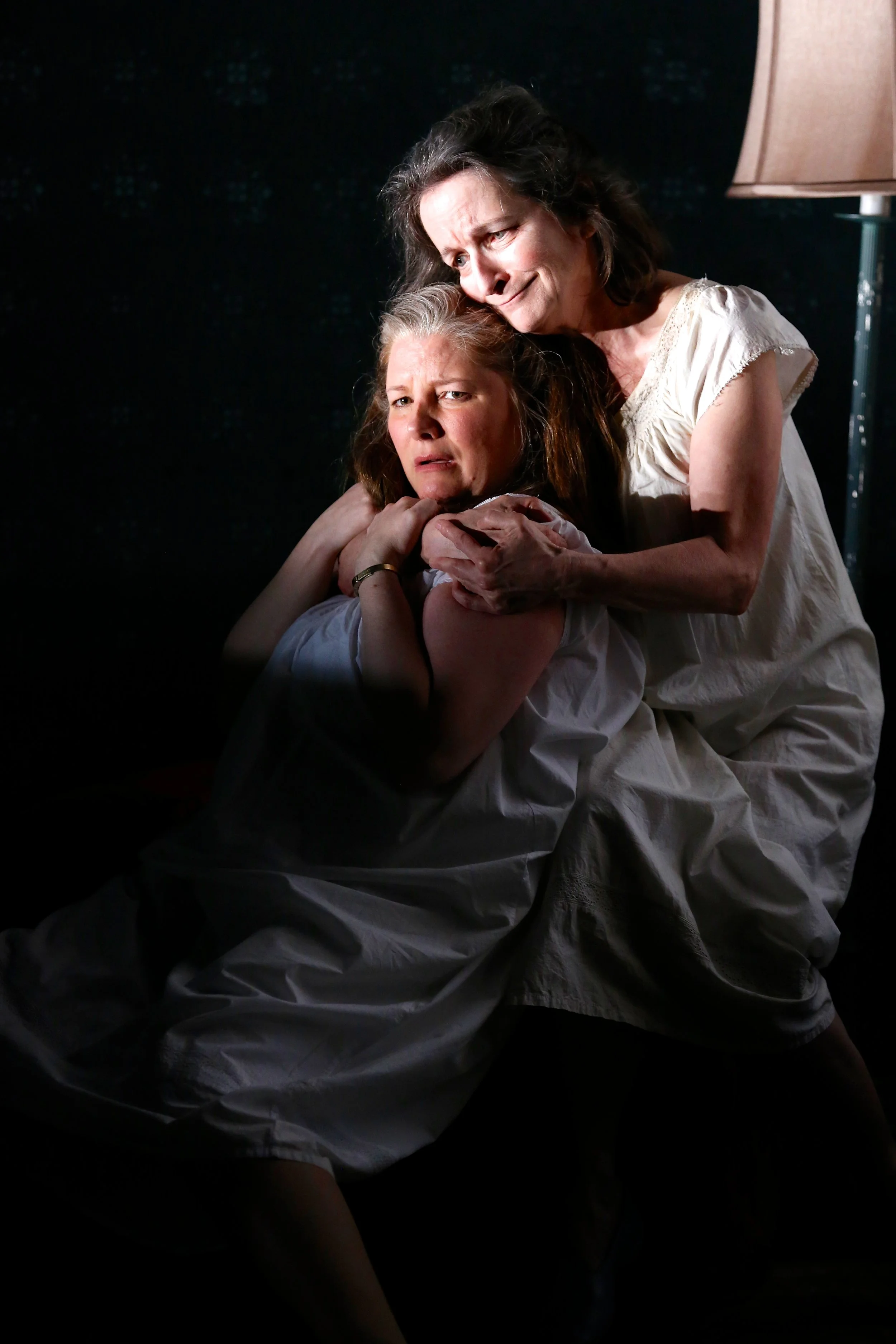
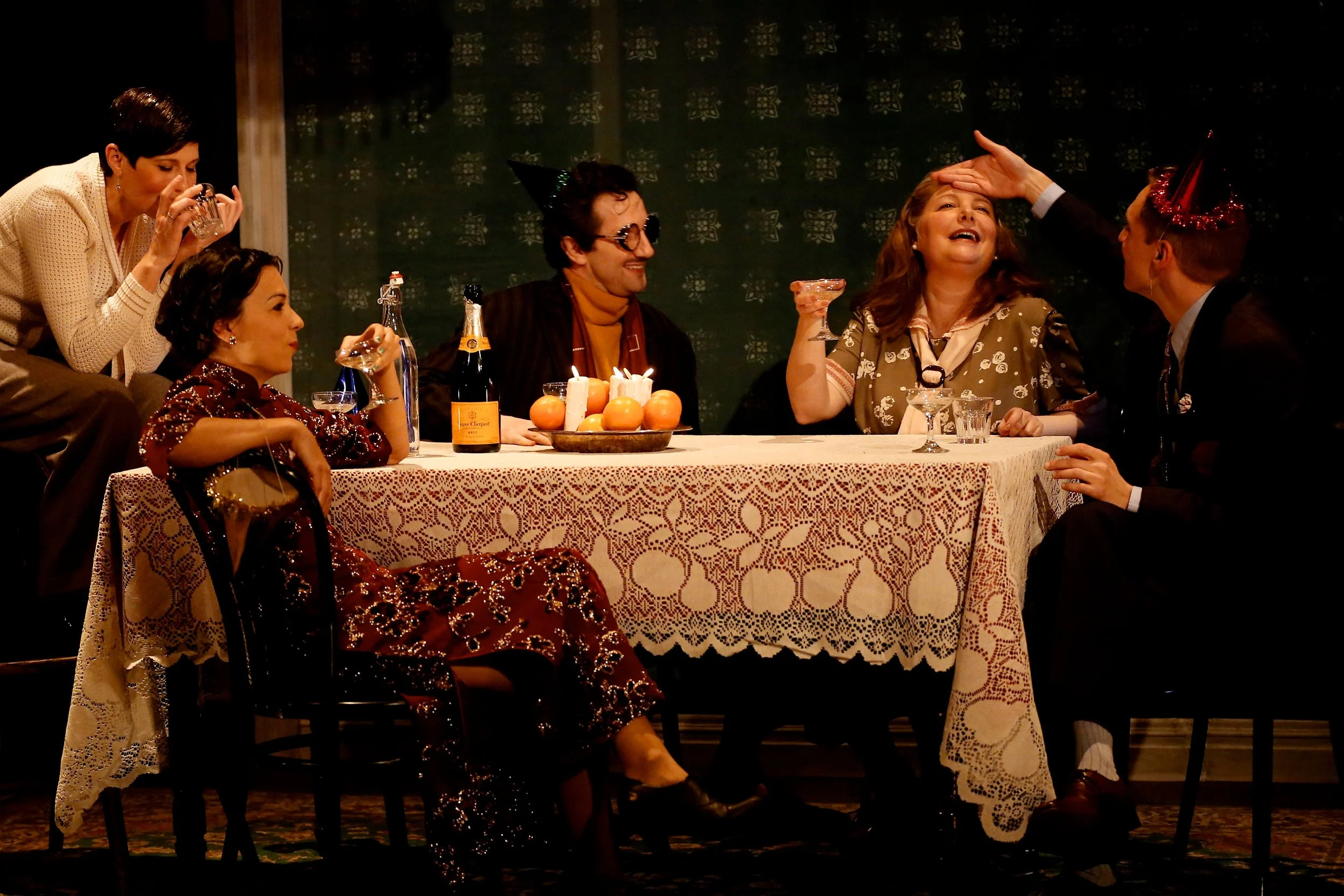
I've had a long relationship with this play. As an actor, I used Baz's oranges monologue as an audition piece for years. What drew me to it was the imagery — a man telling a simple story about buying oranges that slowly revealed the horror unfolding around him. The mundane and the catastrophic existing in the same breath. That tension never left me.
Coming back to it as a director years later was an unusual feeling. Instead of inhabiting one character's perspective I was suddenly responsible for the whole world — and what I found myself trying to understand was how so much evil could seep into a society and become so banal. How ordinary people let the unthinkable become normal. How inaction becomes its own kind of complicity.
The play also met me at a specific moment in my own life. I had become acutely aware of my status as a second-class citizen as a gay man. The battle for marriage equality was reaching a boiling point and I felt motivated to take action — to make work that meant something beyond the rehearsal room.
I invited Lauren Whitehead — a spoken-word poet, dramaturg and performer — to a casual reading of the play at my apartment. I had something like ulterior motives. I hoped that reading Zillah would ignite her. When we finished she looked at me and smiled and said something like "I know what you just did." That was the beginning of one of the most important creative relationships of my career.
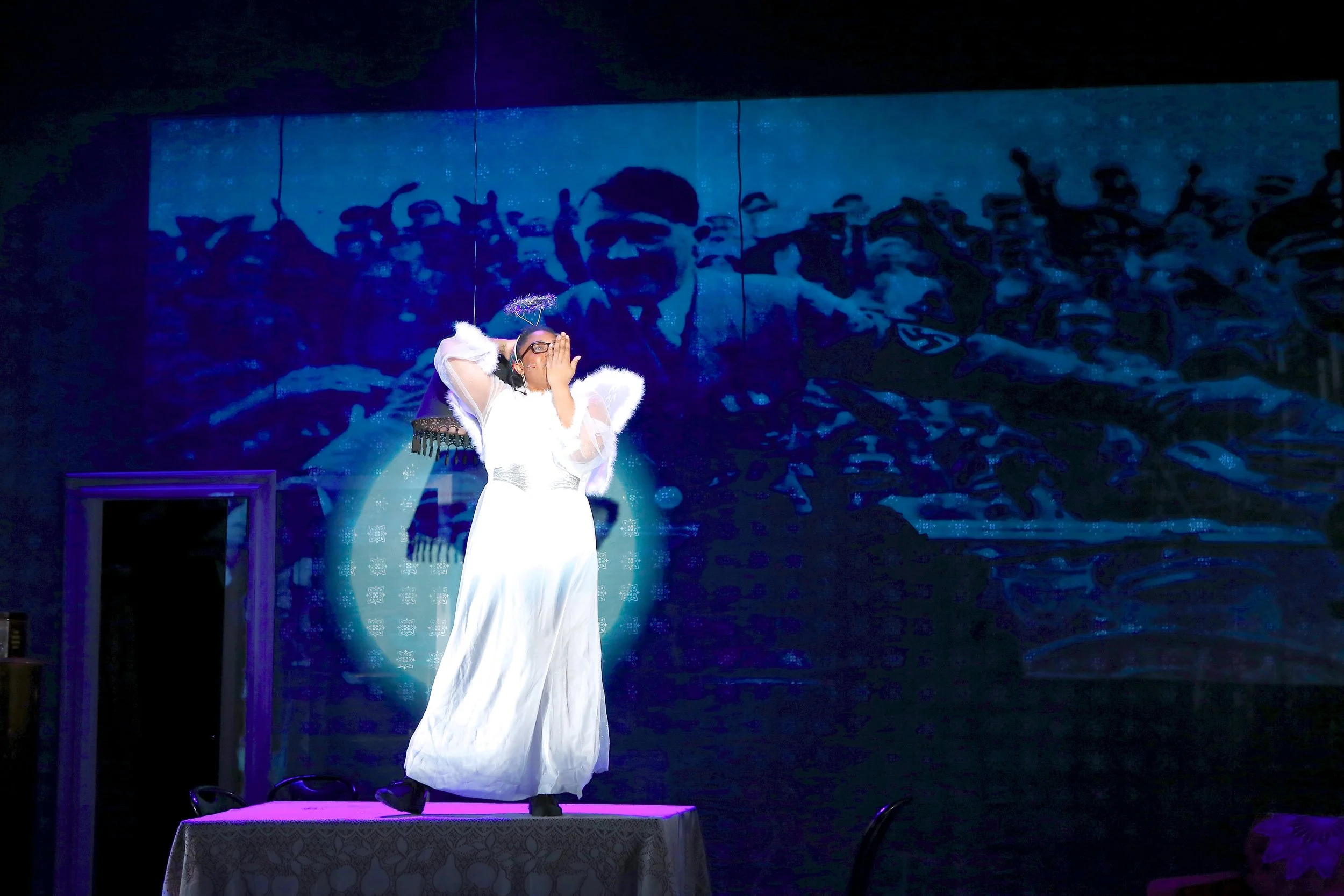
We went through many drafts of the adaptation, sending them to Mr. Kushner through emails and phone calls until he pointed us in an unexpected direction. He told us he felt the politics of 2014 were more closely aligned with Weimar Germany than even the Reagan era in which he originally wrote the play. Something clicked. Rather than positioning Zillah to compare Reagan to Hitler — as the original text did — he challenged us to find a more prophetic voice: a warning that the extreme right was biding its time, and that vigilance was not optional. Lauren and I ran with that idea and he ultimately approved what we wrote. It wasn't until Donald Trump was elected two years later that we went back and counted how many times his name appeared in our text. More than ten.
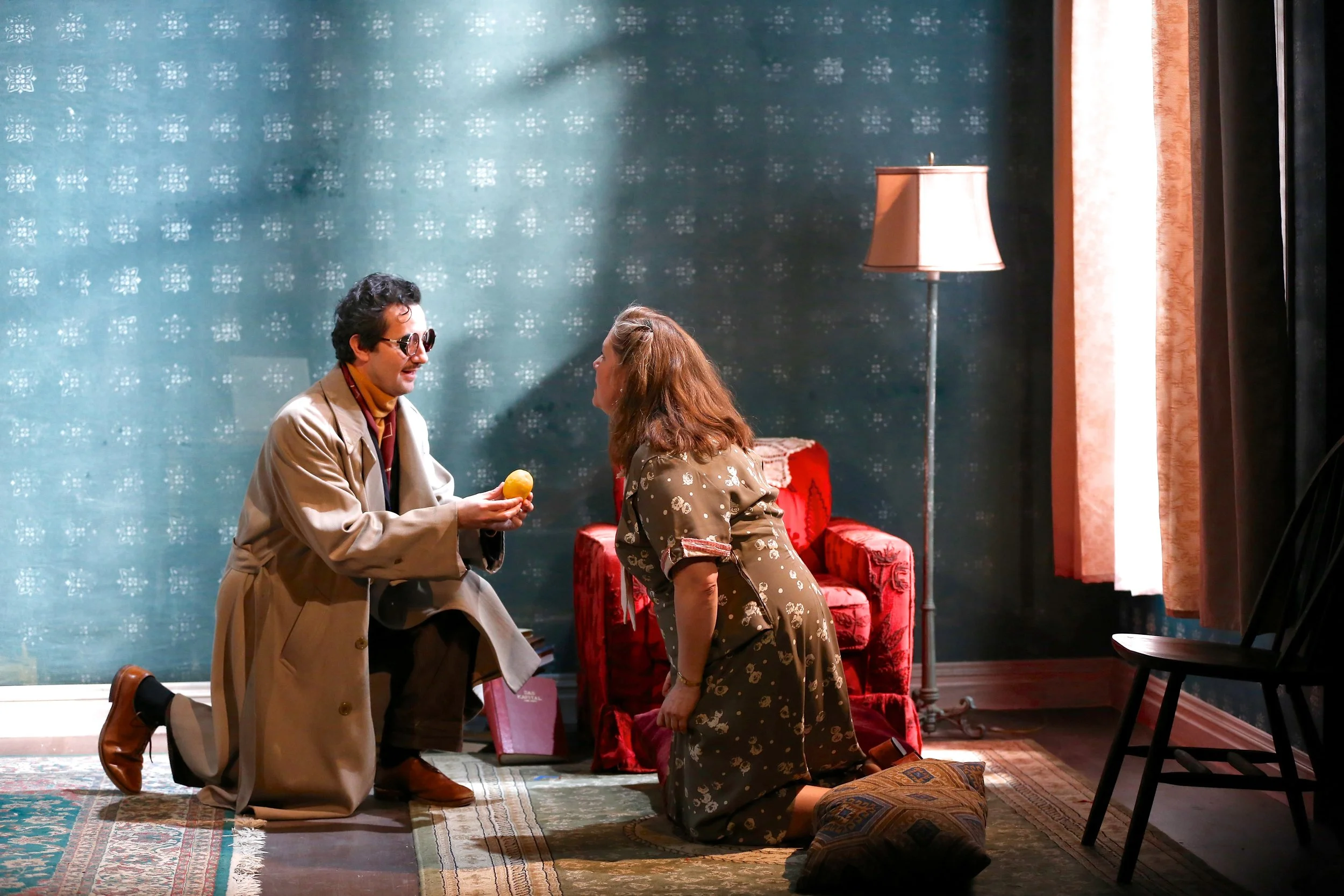
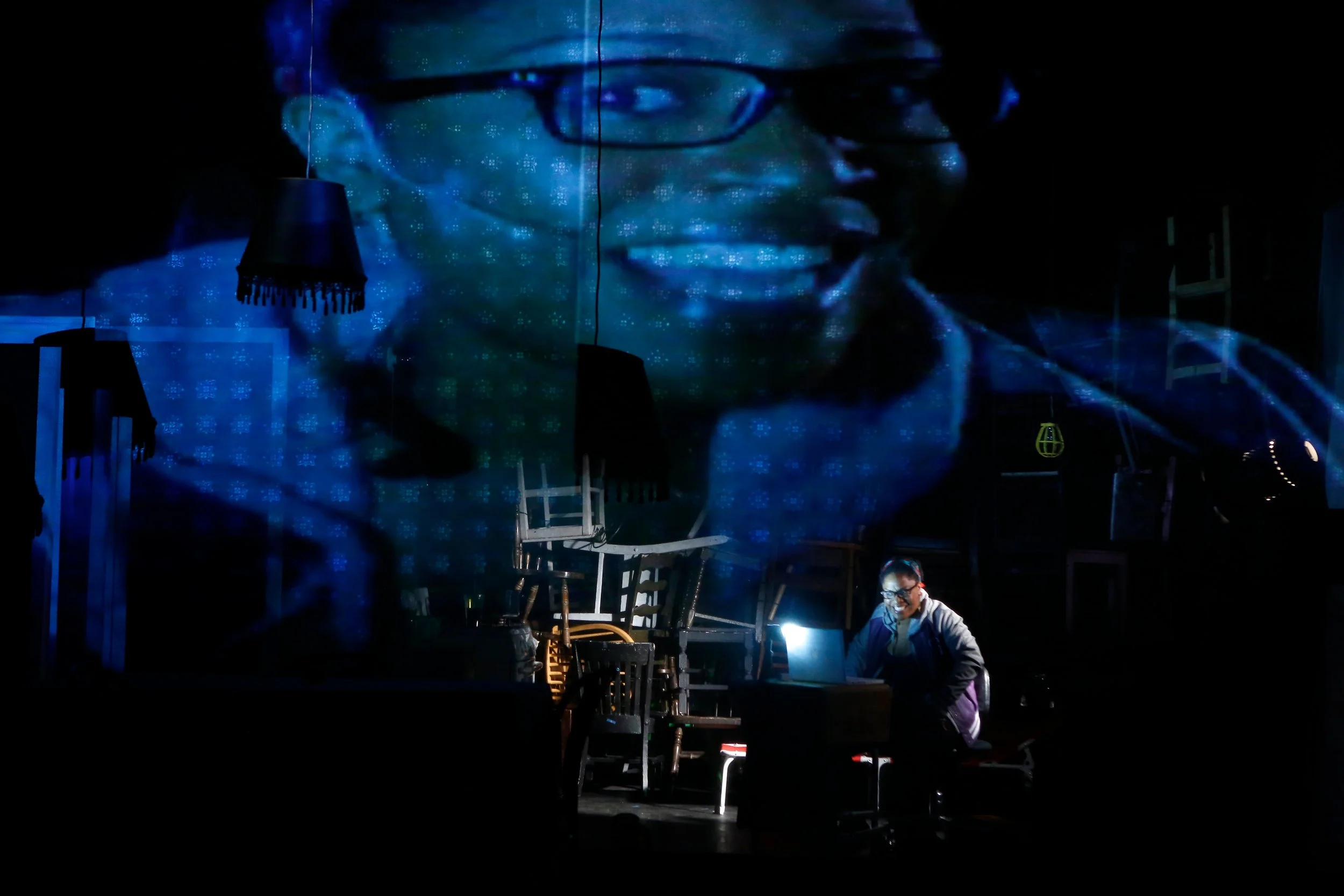
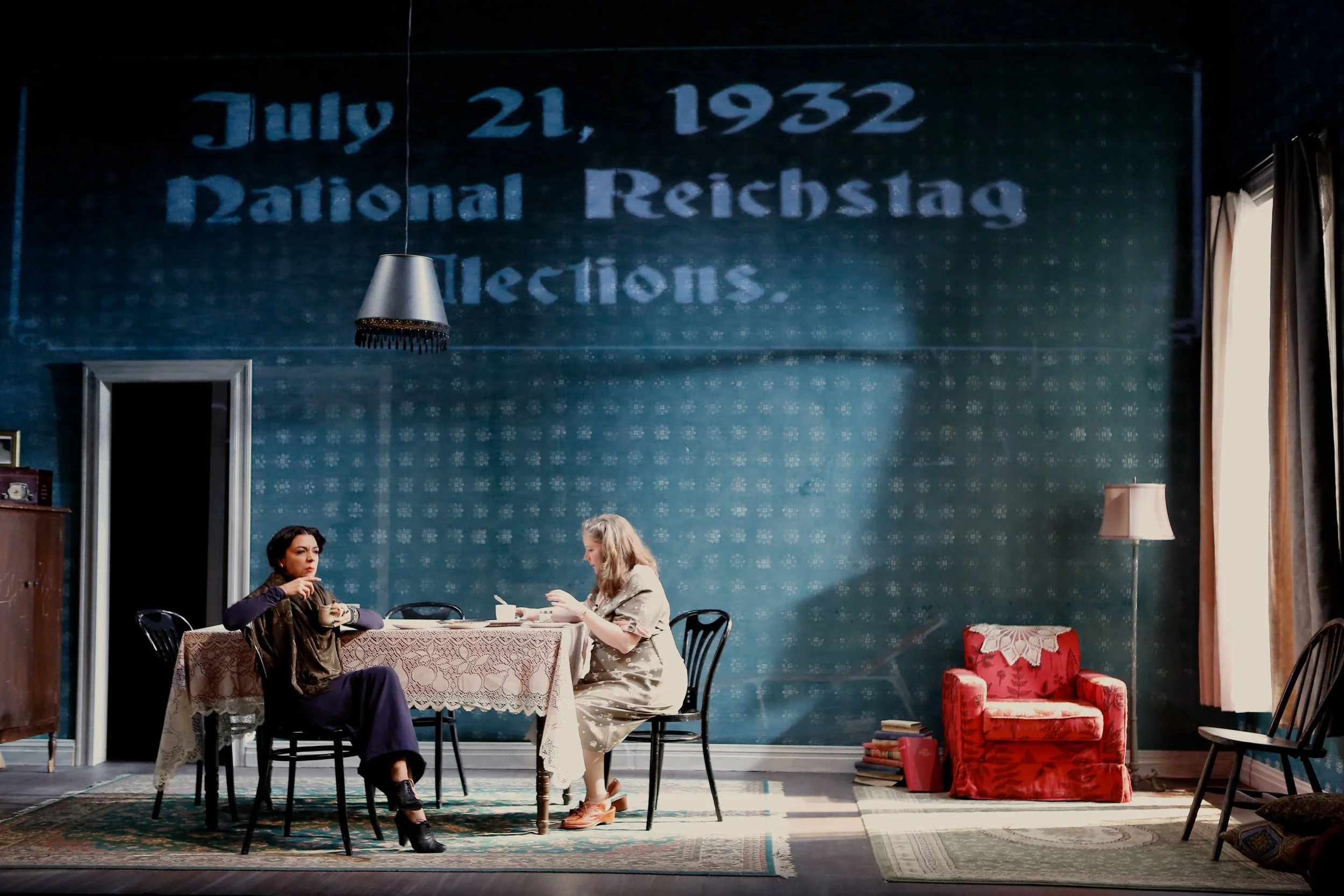
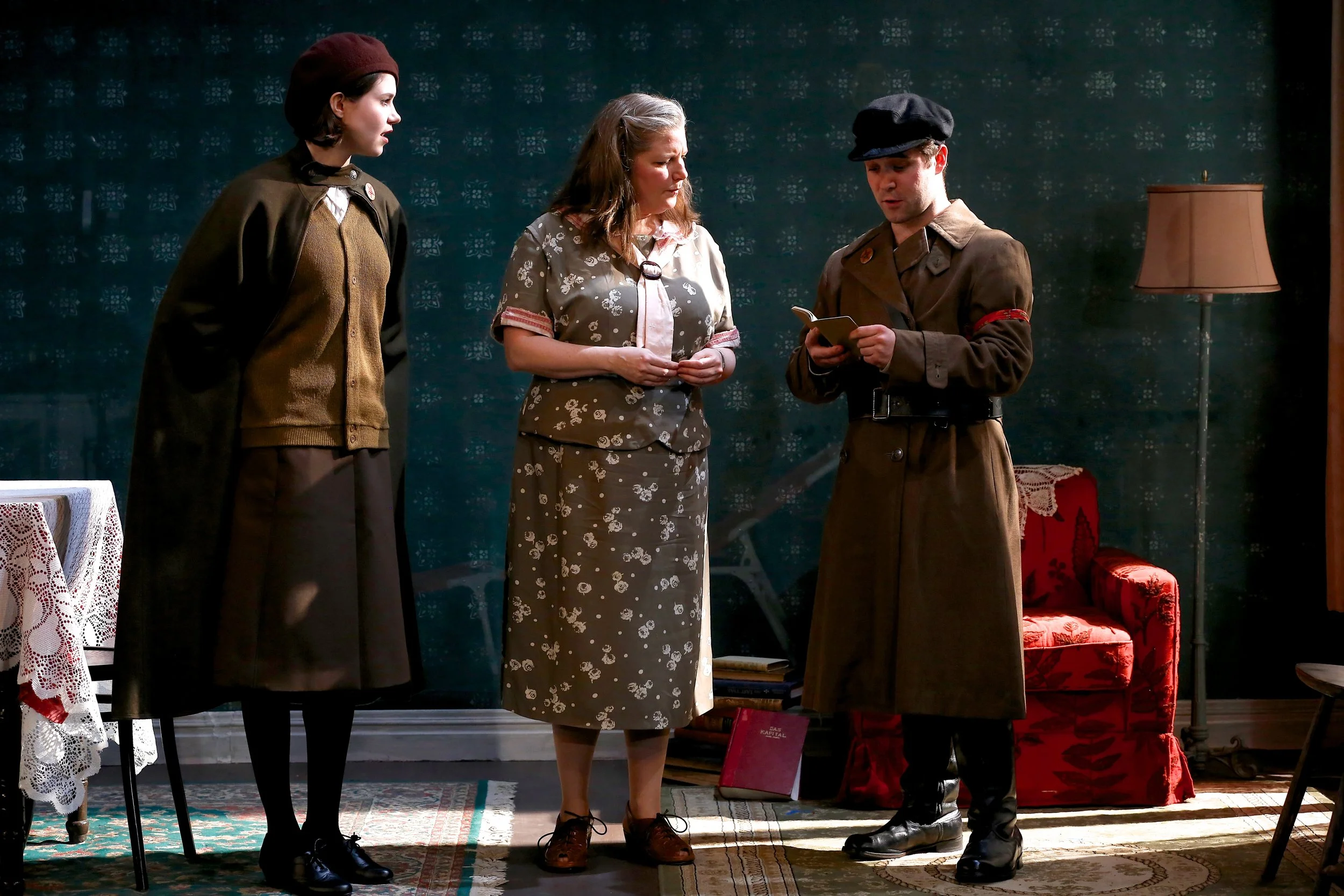
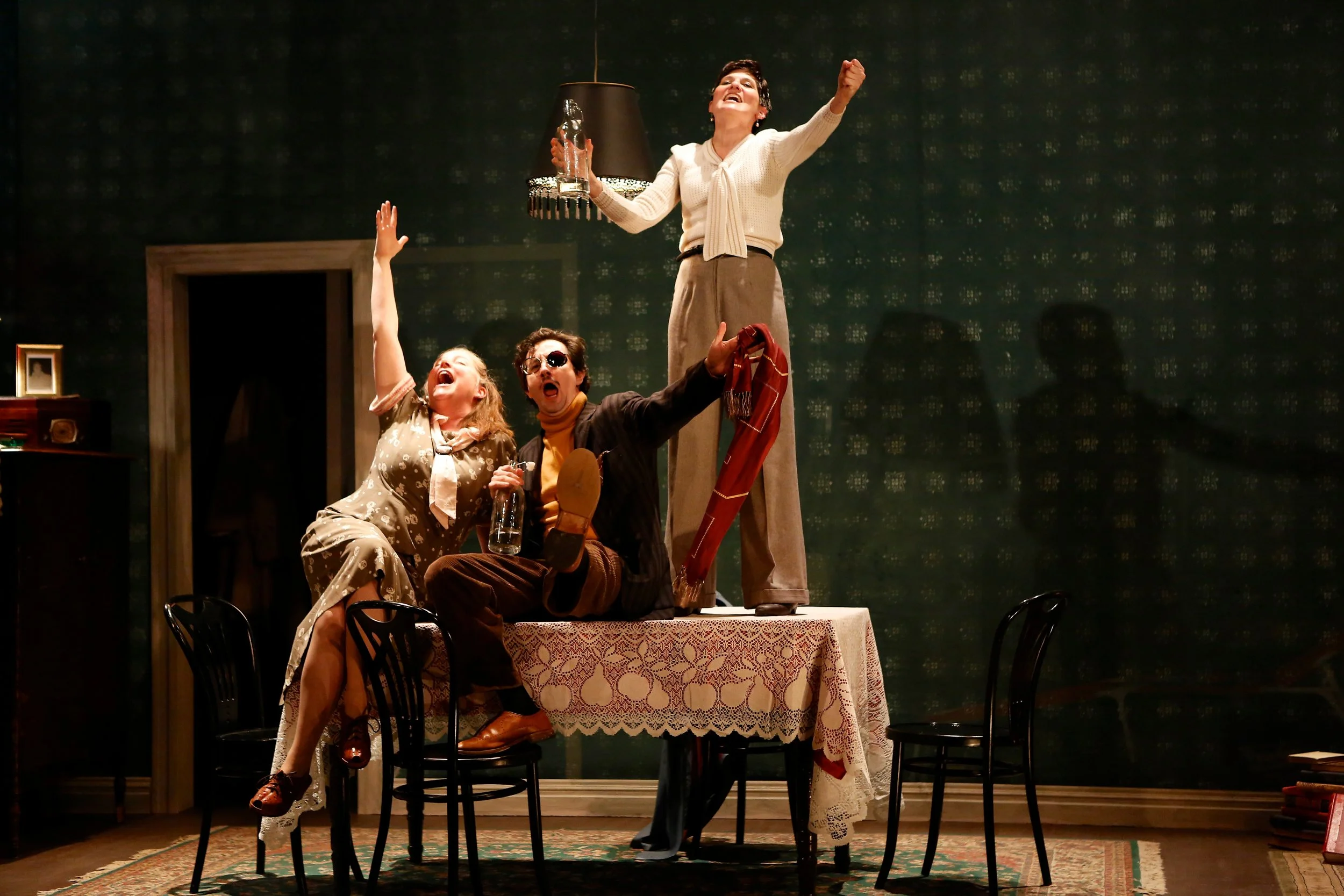
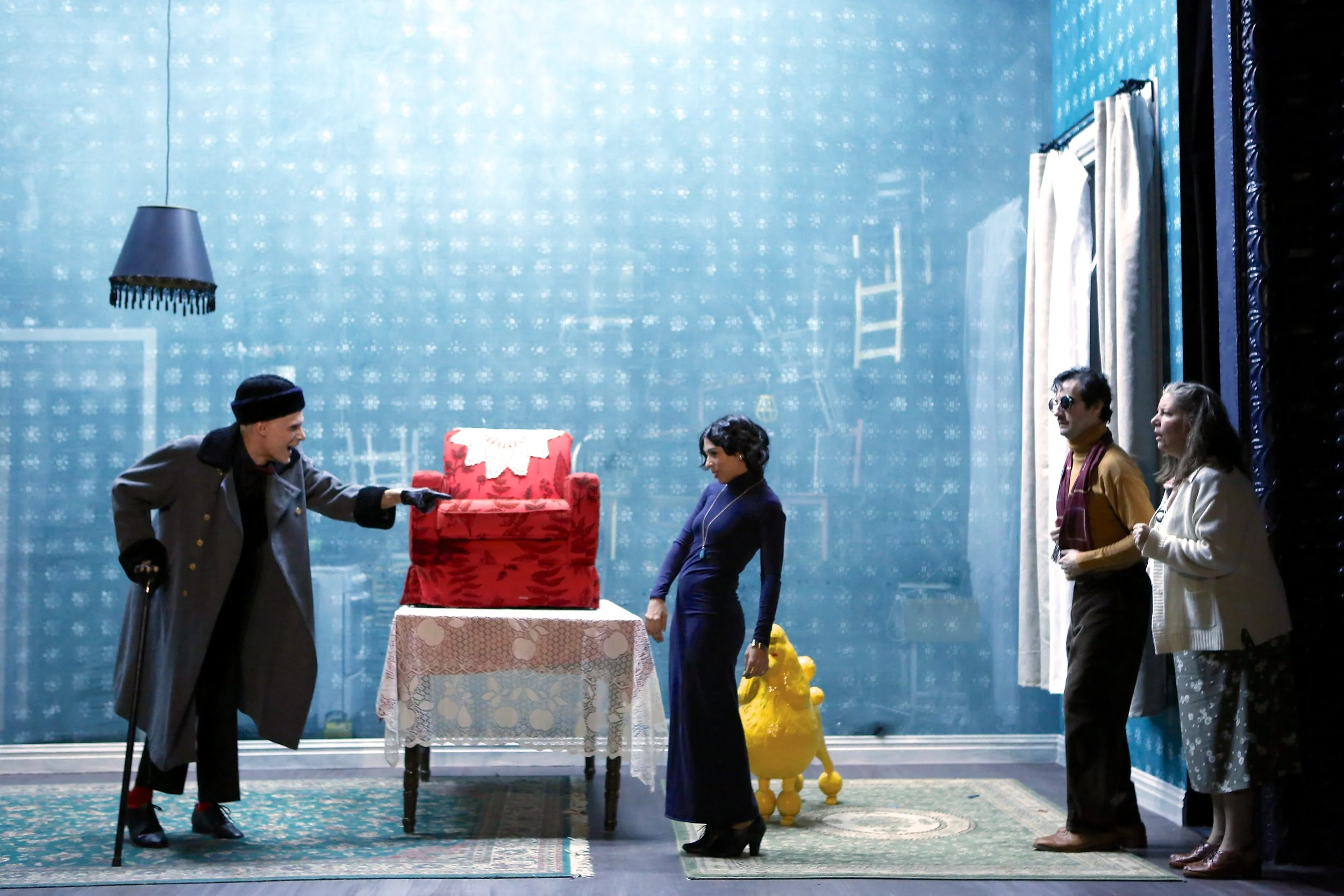
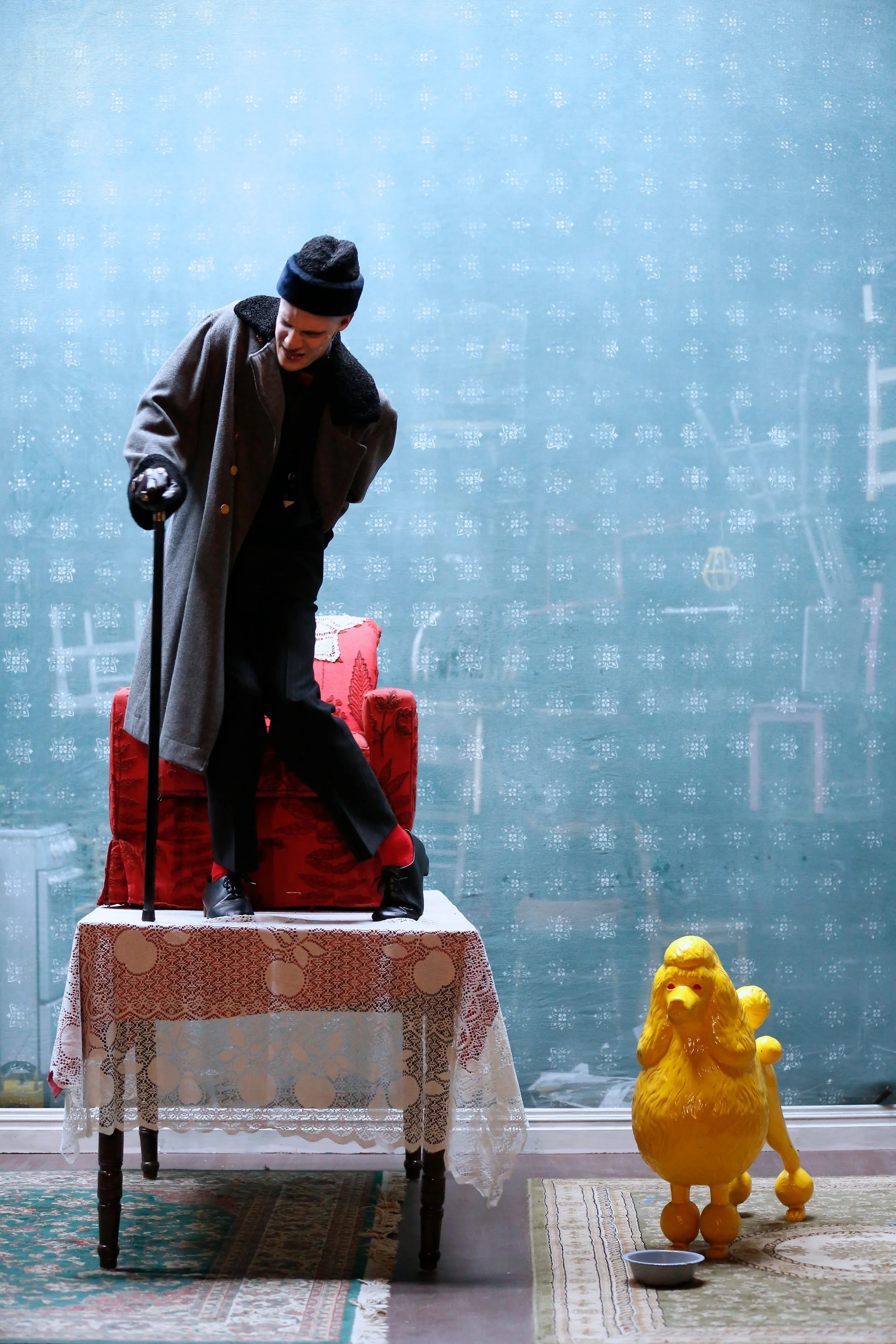
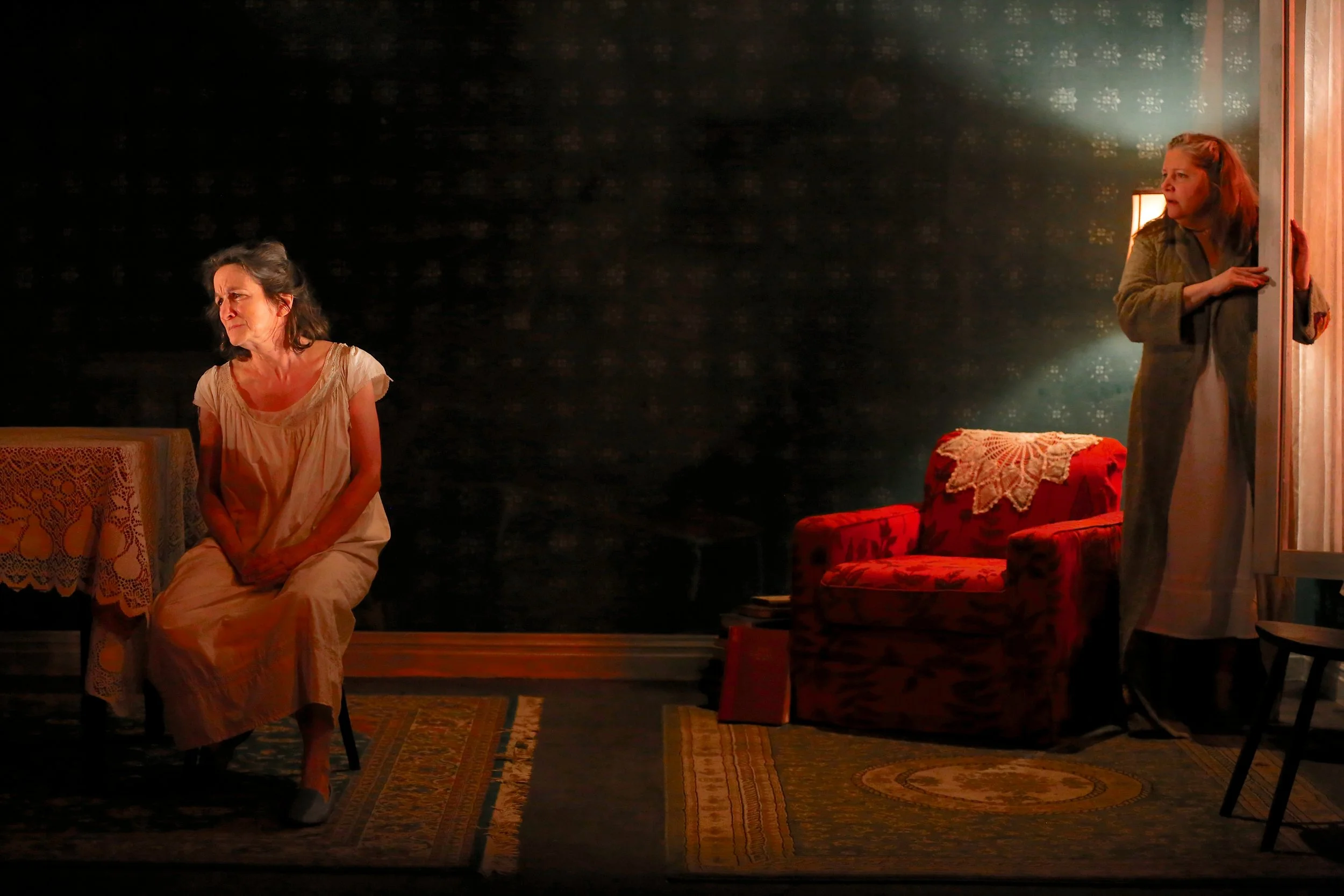
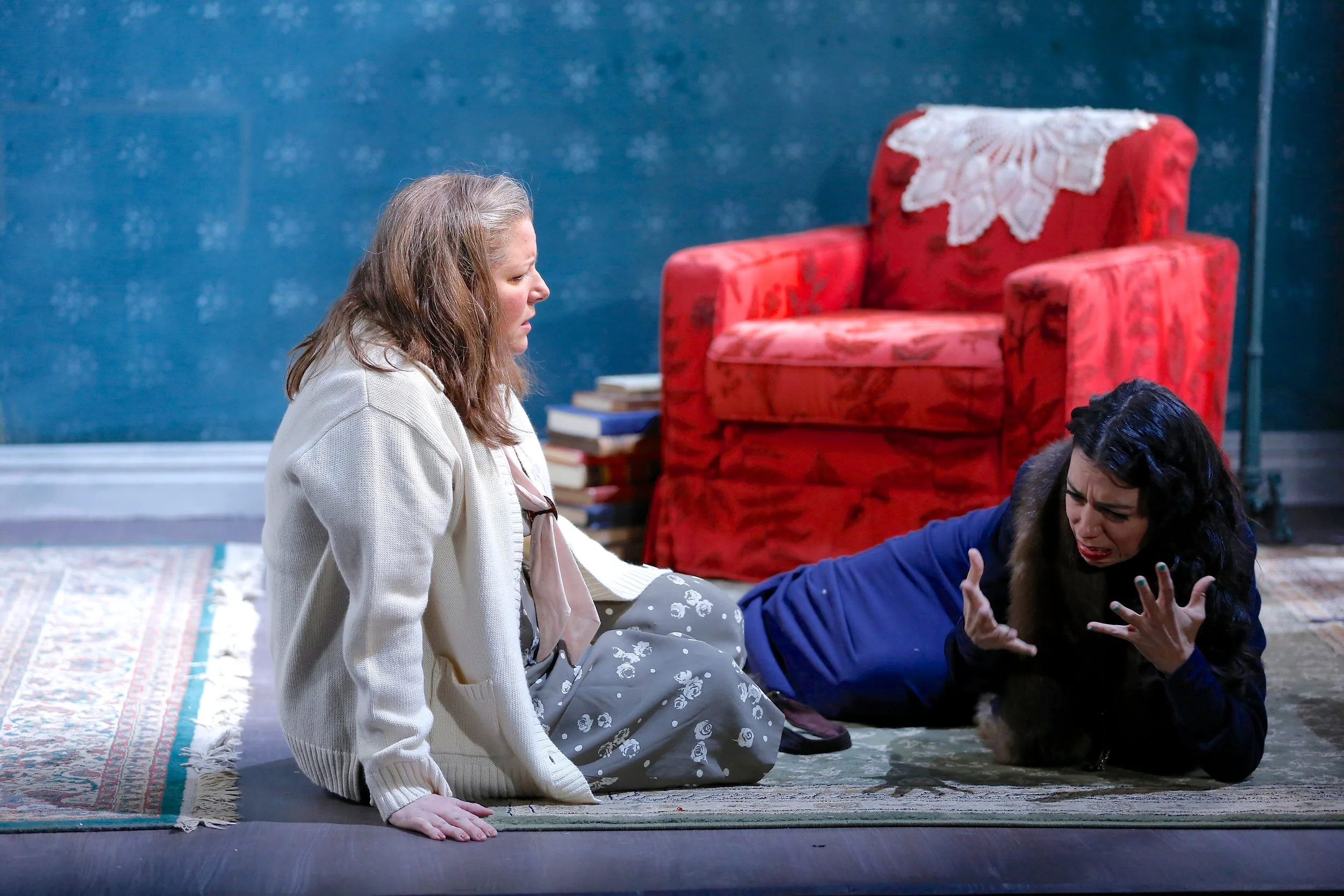
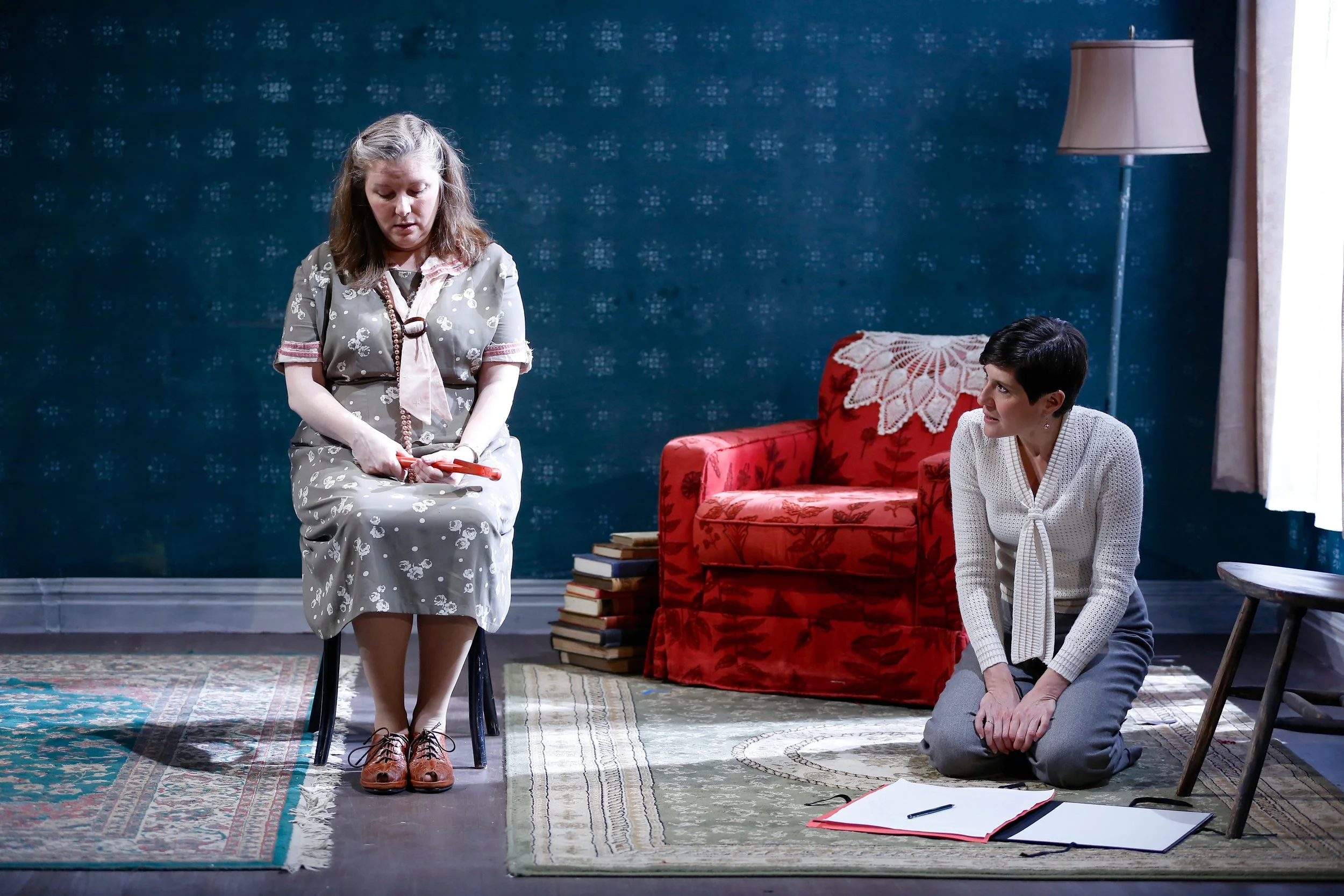
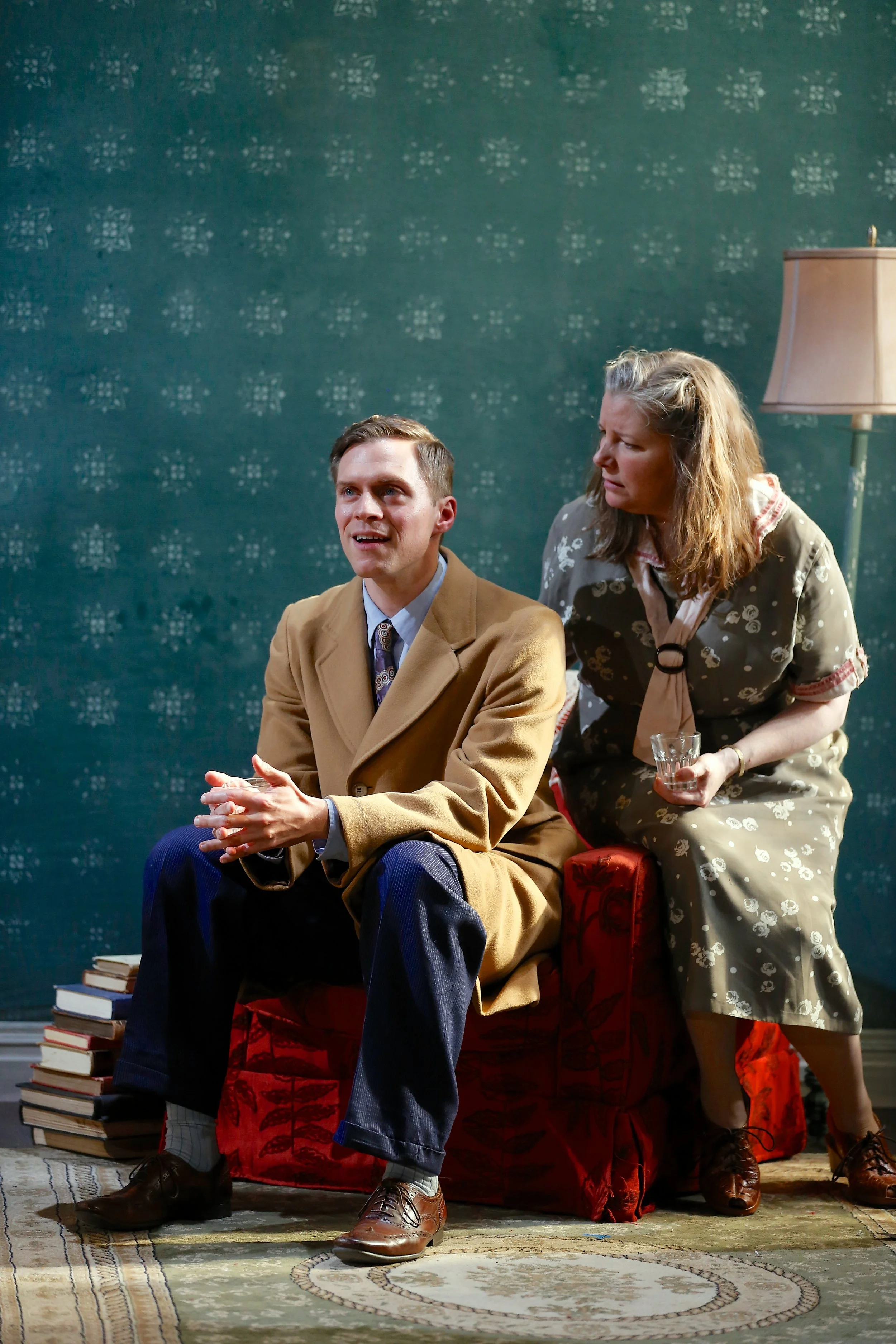
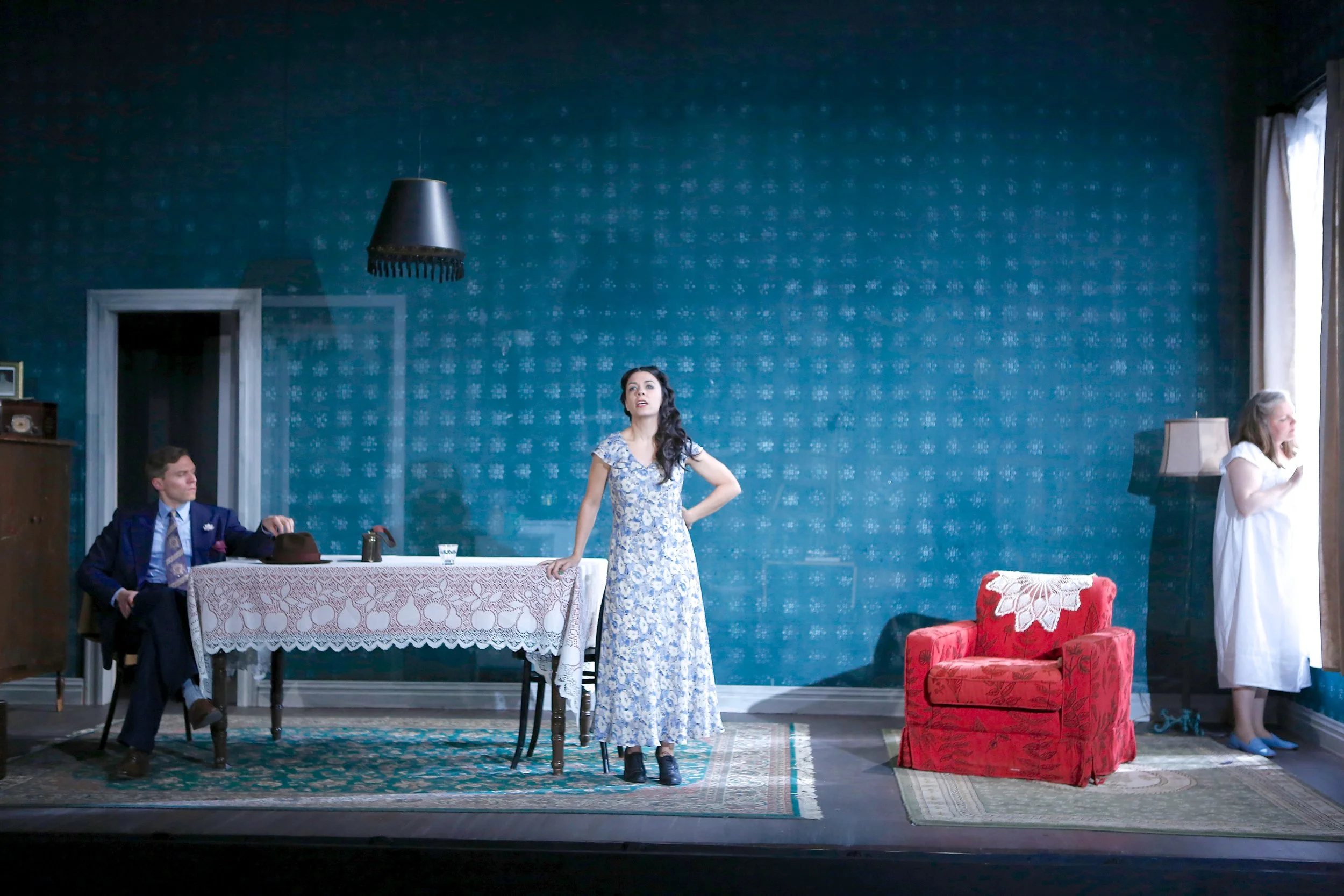
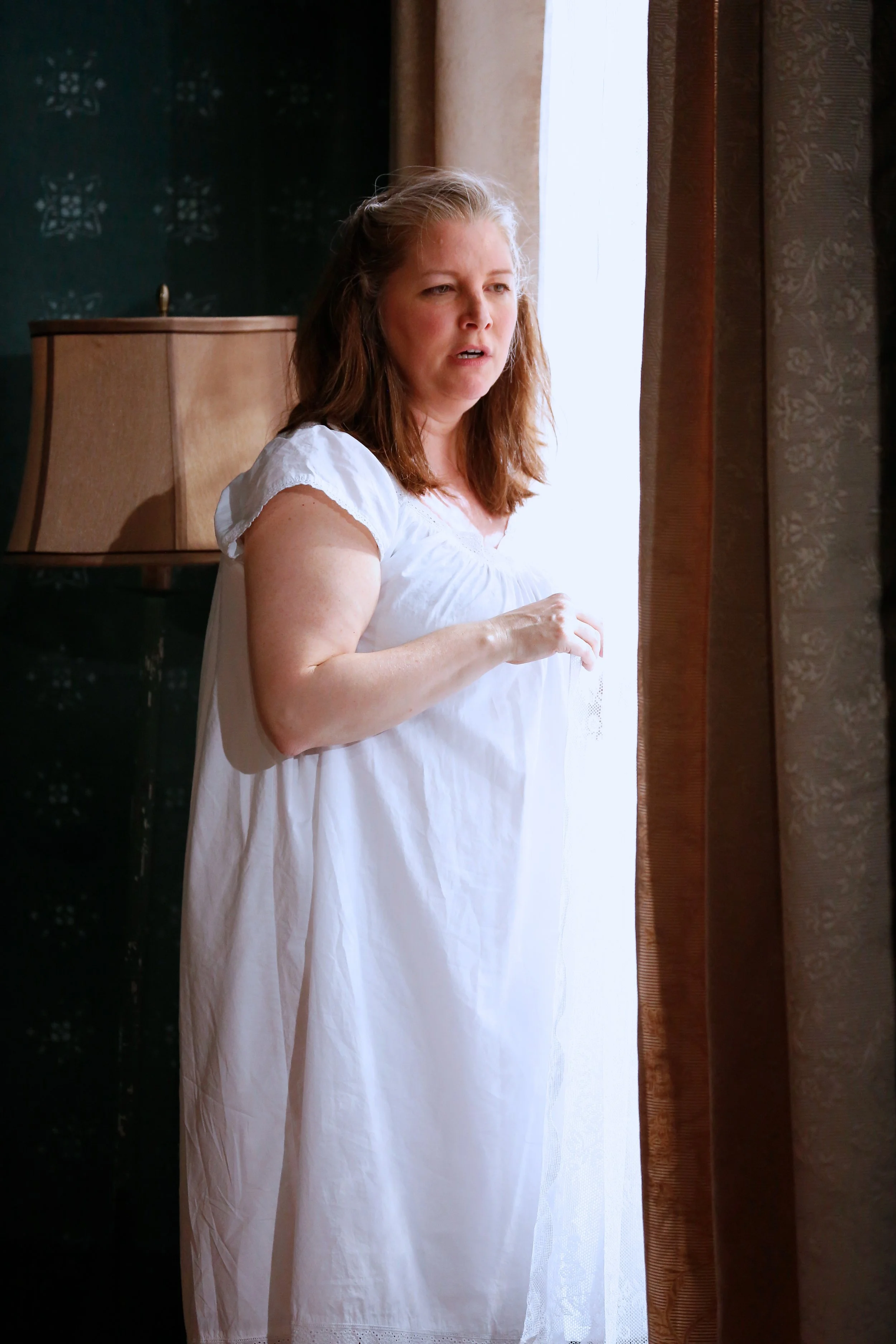
Working with scenic designer Adam Rigg, we built Agnes's 1930s Berlin apartment downstage with extreme height and shallow depth, giving it a slightly surreal quality. Beyond a painted scrim sat Zillah's 2014 New York artist studio — the same room, separated only by time and geography. The two worlds remained distinct throughout. Zillah was trying to reach us, the audience. Agnes could feel something pressing in but could never fully grasp it.
And then there were the chairs.
As each of Agnes's friends left the apartment, Zillah quietly removed a chair from the space — a disappearance so subtle most audiences registered it only subconsciously. Only at the end was the full weight of those absences revealed: behind the scrim, illuminated for the first time, stood a monumental sculpture of chairs — representing not just Agnes's friends but the countless thousands who had disappeared, been imprisoned, been killed. As Agnes finally understood what she had allowed to happen, she spoke the play's most devastating line: "Welcome to Germany."
-
Featuring
Sara Thigpen as Agnes
Lauren Whitehead as Zillah
Laralu Smith* as Die Alte
David Gautschy as Husz
Tracey Gilbert* as Gotchling
Beth Ann Hopkins* as Paulinka
Julian Stetkevych* as Baz
Kristopher Dean* as Traum
Casey Hayes-Deats as Malek
Jason Griffin as Herr Swetts*Appears courtesy of Actors' Equity Association
Creative Team
Direction — Scott Ebersold
Adaptation — Lauren Whitehead and Scott Ebersold
Dramaturgy — Lauren Whitehead
Scenic Design — Adam Rigg
Costume Design — Martin Schnellinger Lighting
Design — Dan Stearns
Sound Design — Matt Otto
Video & Projections — Andrew Lazarow and Mohammad Shahrooz
Assistant Director — Paul Bedard
Stage Manager — Colleen Lacy
Assistant Stage Manager — Krystle Henninger
Company Manager — Eric Vigdorov
Producer & General Manager — Martins JuknaProduction
Columbia Stages · Connelly Theater · April 16–19, 2014
Publicity Photography by Talya Chalef
Production Photography by Carol Rosegg