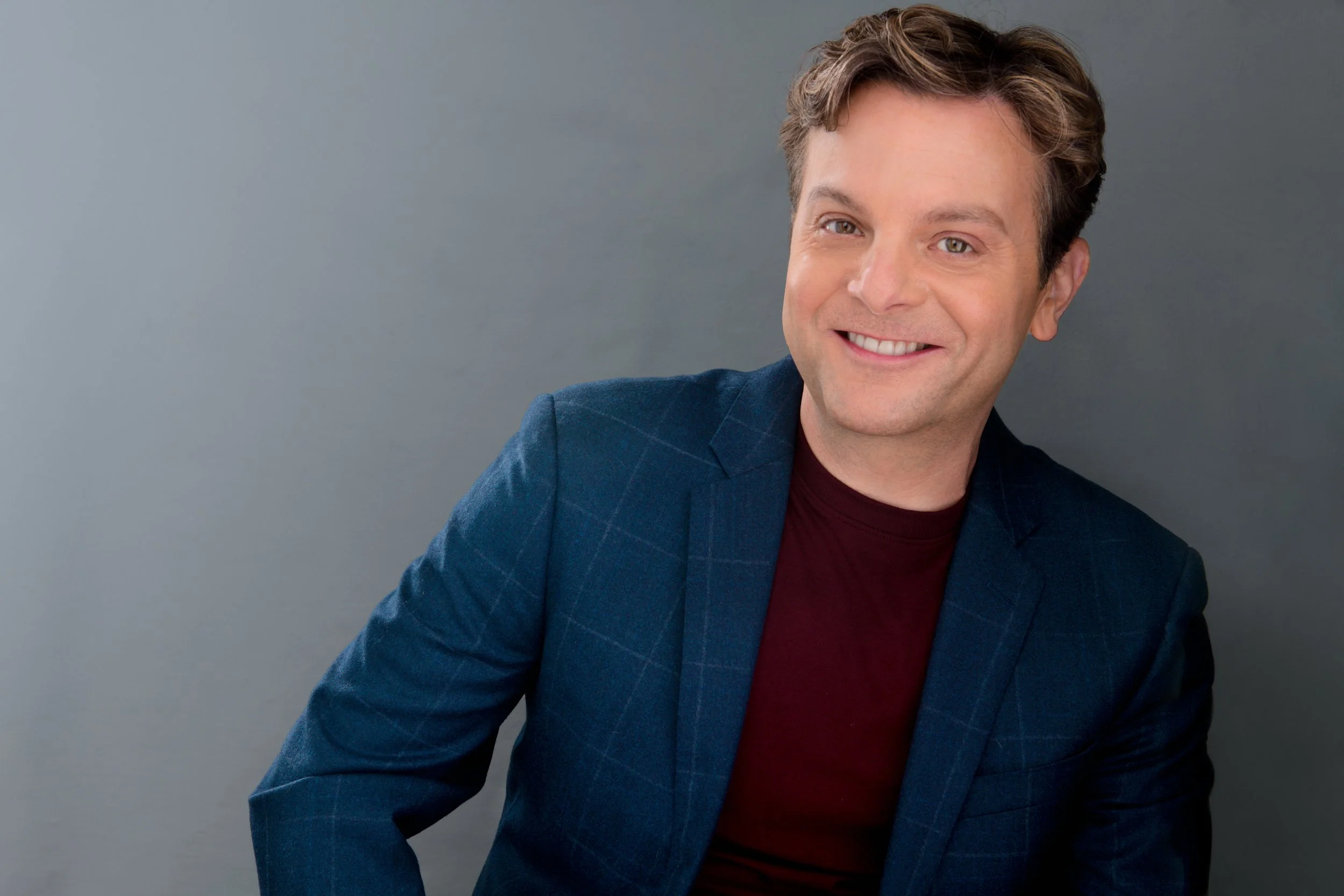
I chose theatre. Directing chose me.
I grew up drawing everything — filling sketchbooks, excelling in art classes, seeing the world in images before I had words for it. Theatre found me in high school, when I was cast in a production almost by accident. What I discovered wasn't just performance — it was belonging. For a kid who'd been relentlessly picked on for being different, walking into a rehearsal room felt like coming home.
After that first production, I convinced my teachers to flip the script — literally. The students produced the show. I directed. Something clicked.
I came to New York and trained as an actor at NYU Tisch. For years I pursued both — auditioning and acting while building Packawallop Productions with my friends, directing whenever I could. I worked. I got cast. I was a victim on Law & Order SVU. At a regional theatre, I played Alfred — the youngest member of the Tragedians, the one assigned the female roles — in a regional production of Tom Stoppard's Rosencrantz and Guildenstern Are Dead. It turned out “Alfred” was the perfect role.
But my directing kept getting the most attention. The shift happened gradually, in the rehearsal room. As an actor, I found I couldn't stay inside my character. My mind kept drifting — to the lighting, the sound, the costumes, the staging, the whole world of the play. I realized that wasn't a failure of focus. That was how a director thinks. I stopped fighting it and accepted what has always been true.
That visual instinct I've carried since childhood — the way I see a room before I understand it — is at the heart of everything I make.
Across nearly four decades of work, the question that has guided every production is the same: how does an audience first encounter this story? That question — spatial, emotional, dramaturgical — is the foundation of everything I make. Whether I'm staging a musical immersively so that an audience becomes part of the world, placing a classical play on a runway so that nothing separates the story from the people watching it, or building an intimate domestic space so that the violence within it feels uncomfortably real, I am always asking: what does it feel like to walk into this room?
My Off-Broadway production of Max Vernon's The View UpStairs earned three Drama Desk nominations, two Lucille Lortel nominations, and a nomination for an Audelco Award for Best Director. My work has been seen at Classic Stage Company, HERE Arts Center, Portland Center Stage, Goodspeed Opera House, and UC Davis, where I was a Granada Artist in Residence. I collaborate closely with emerging writers and have directed world premieres by Gina Femia, Amy Crossman, Briandaniel Oglesby, Jordan Seavey, Adam Szymkowicz, and Alejandro Morales.
I am the Founding Artistic Director of Packawallop Productions, an Artistic Associate at Classic Stage Company, and a member of the Stage Directors and Choreographers Society. I hold a BFA from NYU Tisch School of the Arts and an MFA in Theatre Directing from Columbia University, where I studied with Anne Bogart. I am an alum of the Lincoln Center Directors Lab and Tectonic Theater Project.
Every production begins with the same question: what does it feel like to walk into this room? That question is really about the relationship between a play and its audience — and how that relationship helps tell the story.
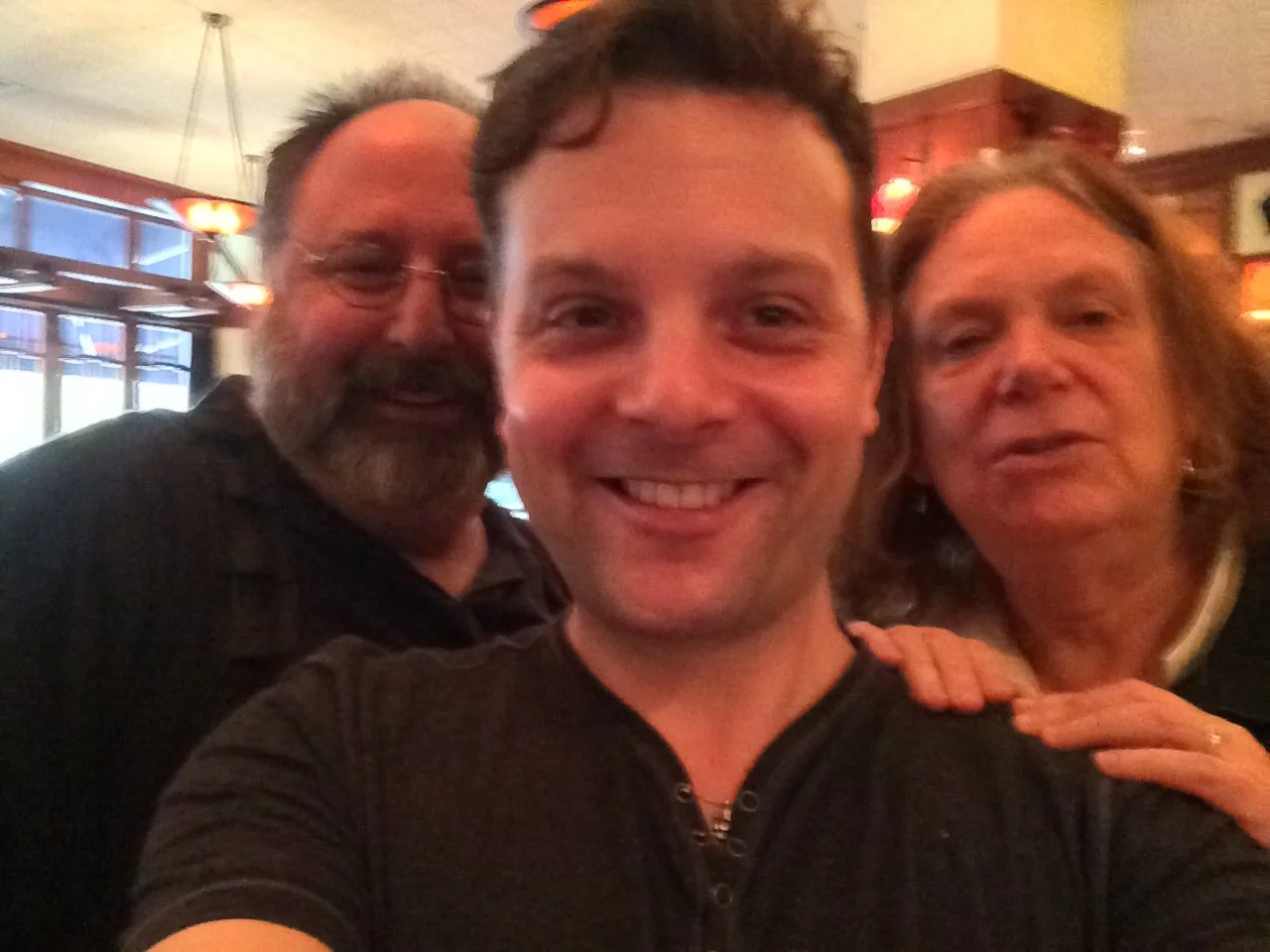
With Brian Kulick and Anne Bogart