Three Sisters
By Anton Chekhov, in the Paul Schmidt translation Columbia Stages · Schapiro Theatre · 2013
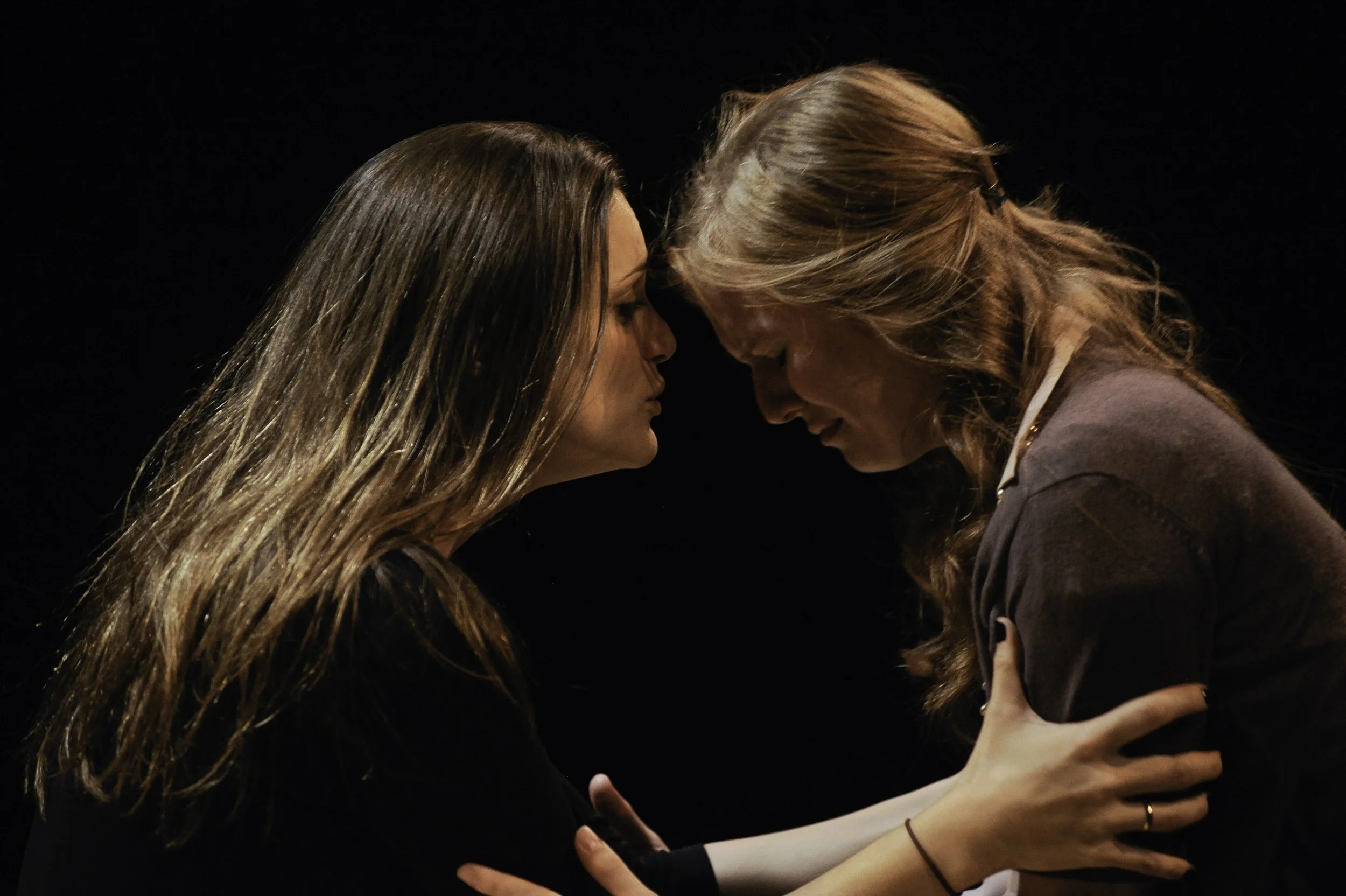
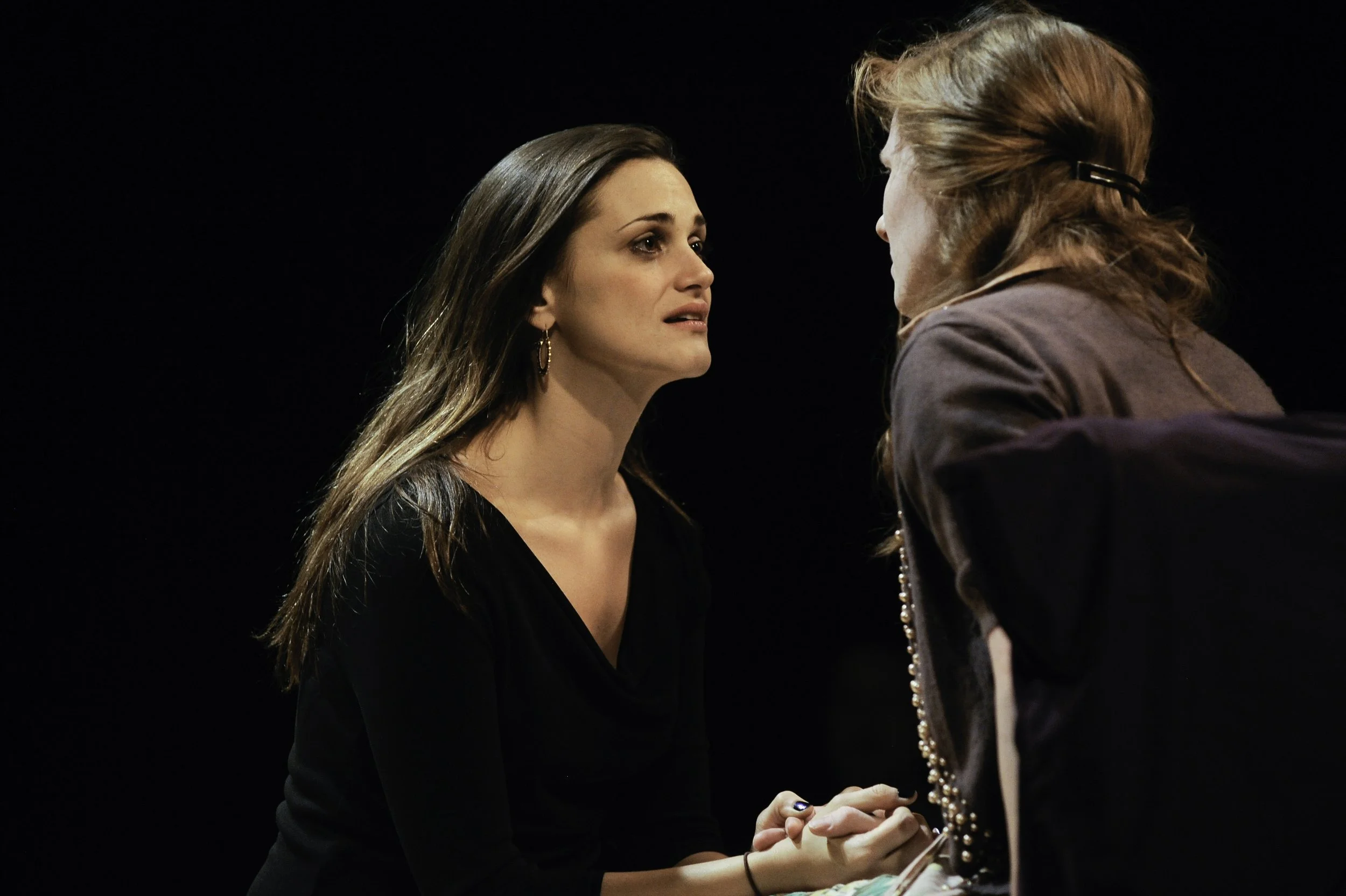
Three Sisters felt completely different from Baal — the other production I directed that year at Columbia. Where Baal was Dionysian, designed, driven by heat and chaos, Three Sisters was quiet. Intimate. A play that lives in what people cannot say.
I understood these sisters immediately. That longing to leave the place you come from — to get to Moscow, to get somewhere that feels like your real life — is something I know in my bones. For me, Moscow was New York. That longing, and the way it can quietly consume a life, was the emotional engine of everything we did.
What Chekhov does that no other playwright does quite the same way is leave space. Thoughts trail off. Sentences don't finish. He is explicitly inviting the director and the ensemble to co-write the story — to decide together what lies beneath every silence. That collaborative excavation was one of the great pleasures of this production.
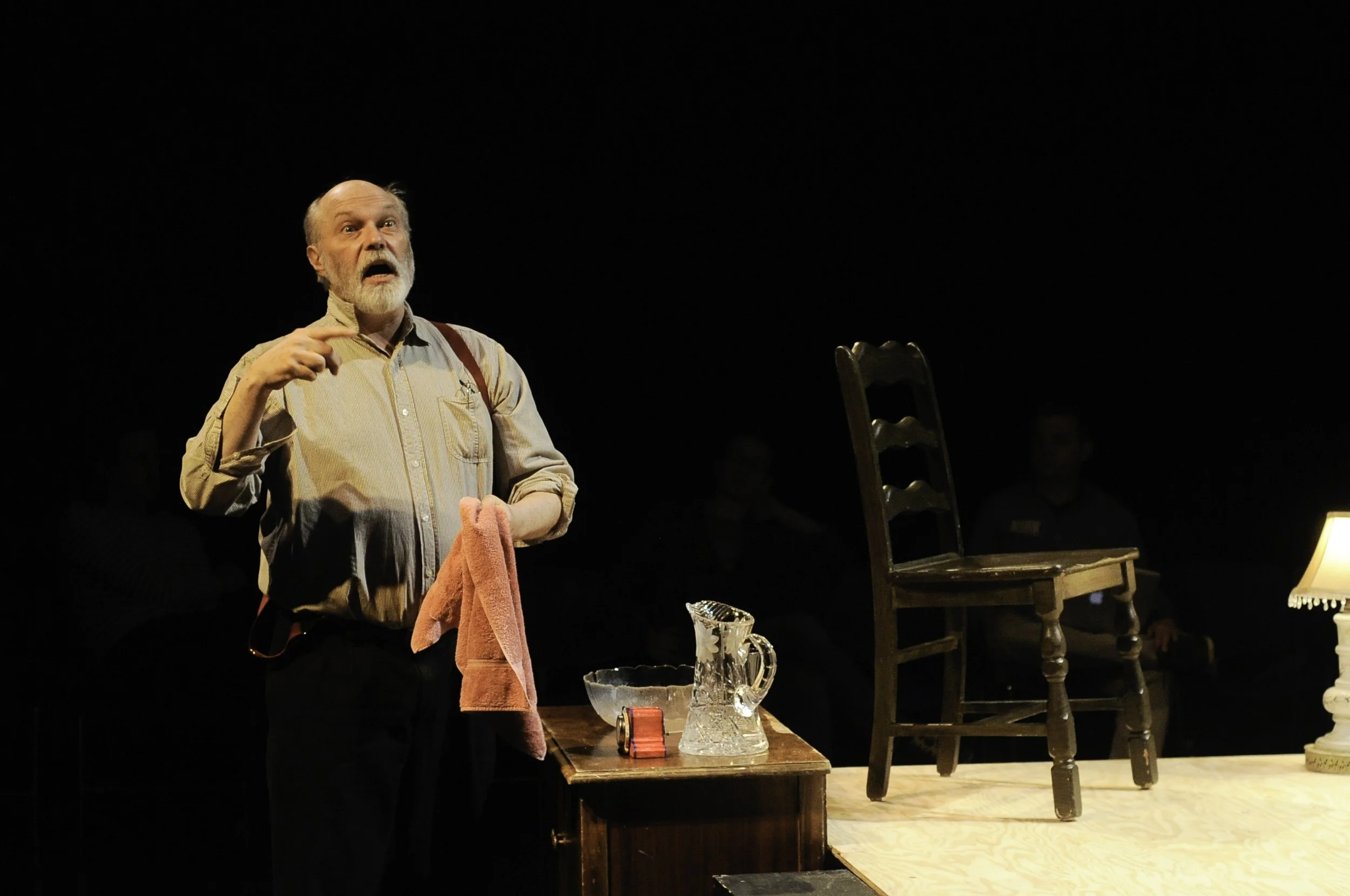
When the audience walked in they found a single row of seating on either side of the playing space — intimate, almost domestic. At one end of the space, a great table set for dinner. At the other, a living room. The world of the play was already there, waiting.
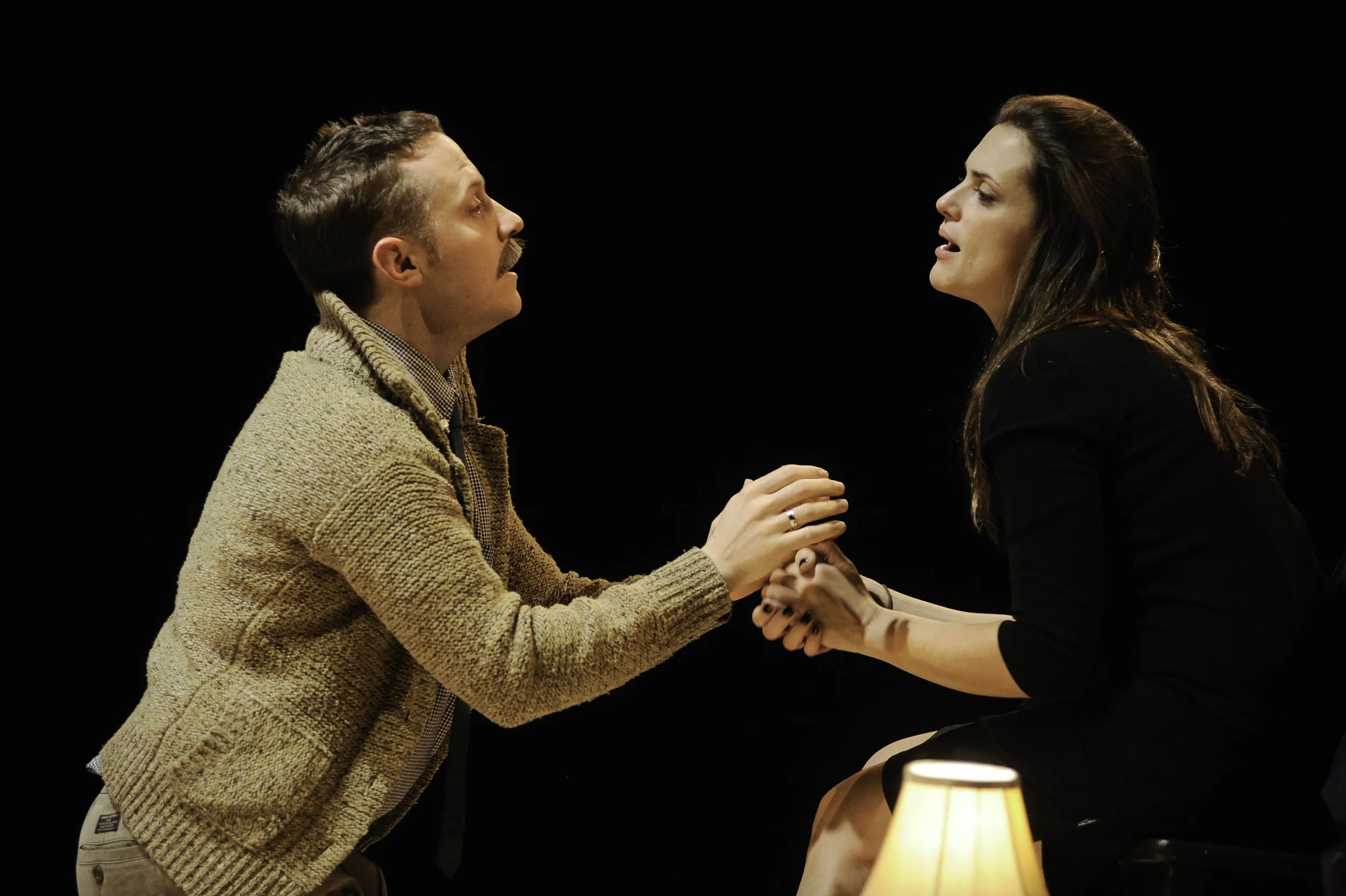
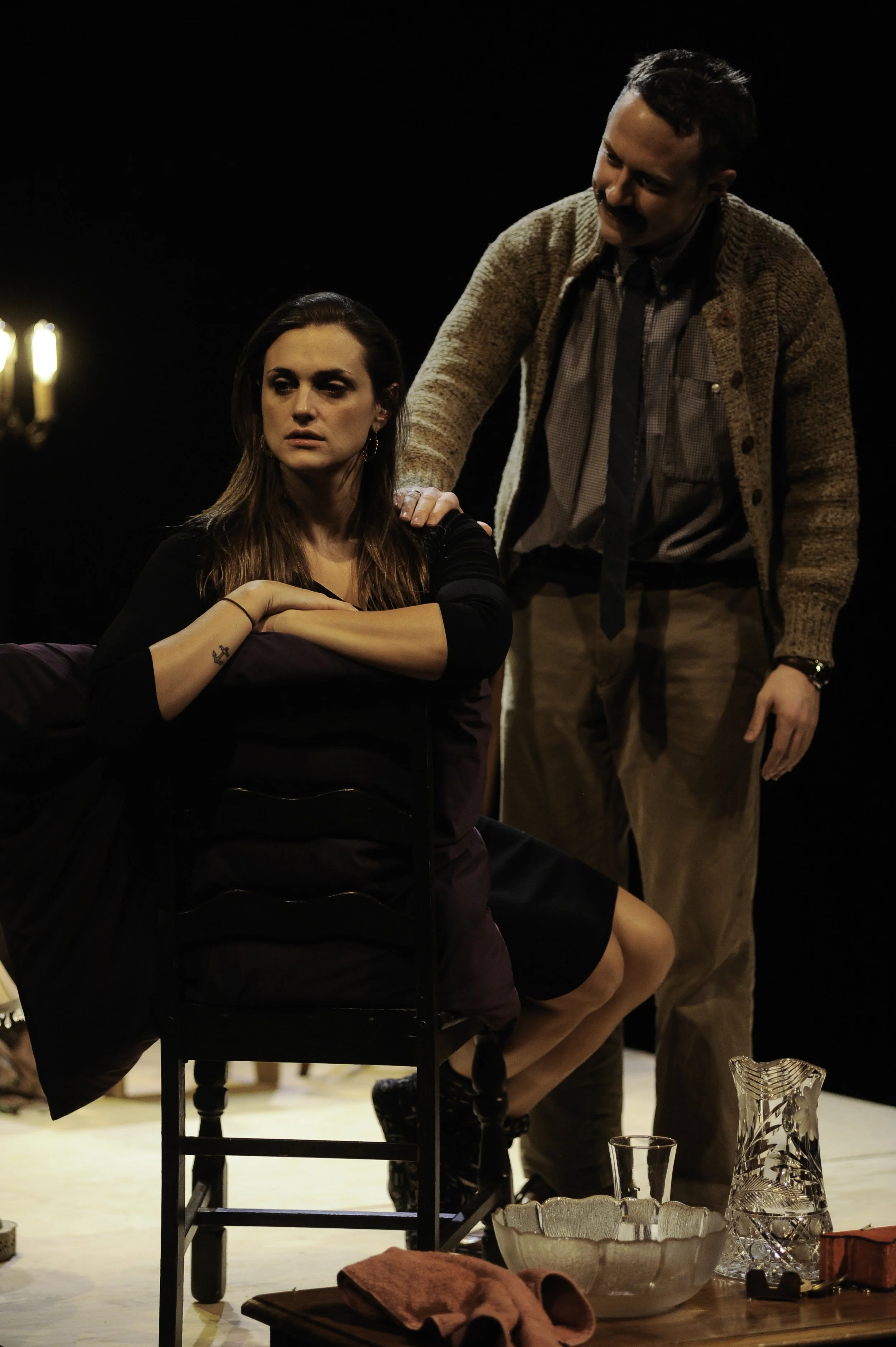
The costumes were deliberately not period. Everyone wore modern clothes that carried the feeling of another time — suggesting character and era without committing fully to either. It allowed the sisters' longing to feel universal rather than historical.
The production's central design element was the table — a huge platform that transformed with the play. In Act One it was set for dinner, the heart of the household. Moved to center stage for the attic scene, stripped of its settings, it became a raised platform — stark, elevated, removed from the life below.
For the final act we needed it to become the exterior of the house. I knew what I wanted but couldn't find an elegant way to get there — until necessity intervened. There is a fire in that transition. People rushing, grabbing possessions, chaos. And it struck me: what if the cast actually moved the platform into position in the midst of that panic? The audience would see only people desperately trying to save their home. And when the chaos settled, we were outside — and the great table that had been the dinner table in Act One, the attic in Act Two, was now the wall of the house itself.
The solution had been hiding in the play all along.
-
Featuring
Kristopher Dean, Karin de la Penha*, James Leighton*, Ralph Martin, Daniela Mastropietro*, Cliff Miller, Kyle Nesbit, Ariel Puls, Alec Silberblatt*, Julian Stetkevych*, Sara Thigpen*, David Townsend*, and Jeena Yi
Creative Team
Direction — Scott Ebersold
Translation — Paul Schmidt, with reference to Carol Rocamora
Scenic Design — Dan Stearns
Lighting Design — Sara Gosses
Costume Design — Nikki Moody
Sound Design — Kyle Moore
Dramaturgy — Lauren Whitehead
Stage Management — Alison Andersen
Produced by Martins Jukna*Member of Actors' Equity Association






Dignissim suspendisse in est ante in nibh mauris cursus mattis. Malesuada fames ac turpis egestas maecenas pharetra convallis posuere. Leo a diam sollicitudin tempor id eu nisl. Proin sagittis nisl rhoncus mattis rhoncus urna neque viverra justo. Adipiscing diam donec adipiscing tristique. Ultrices tincidunt arcu non sodales. Amet purus gravida quis blandit turpis cursus. In hac habitasse platea dictumst. Cras fermentum odio eu feugiat pretium nibh ipsum consequat. Nisi est sit amet facilisis magna etiam tempor. Ipsum nunc aliquet bibendum enim facilisis gravida neque convallis.